Larry Fisk, May 18th 2018
Caracas, Venezuela. It was clear during President Nicolas Maduro’s closing campaign rally in Caracas on Thursday that Chavez still lives in the hearts and minds of millions in the Bolivarian Republic of Venezuela which is under political, economic and psychological attack. “Vamos, Nico!” shouted Chavistas. The government and people are fighting back while preparing for presidential and state legislative elections on May 20th. These historic elections will be “the most important” of the more than 20 elections that have taken place during the revolution we were told today by Foreign Minister Jorge Arreaza in a meeting with international invitees who will accompany the Sunday elections. The presidential and state legislative elections will take place during economic crisis, raging inflation, a severe currency shortage and economic sanctions that have left some Venezuelans hungry.
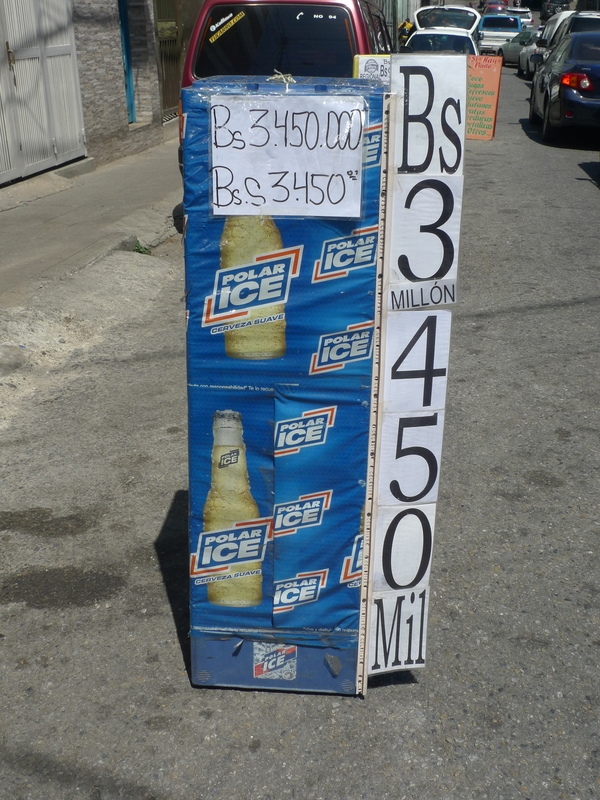
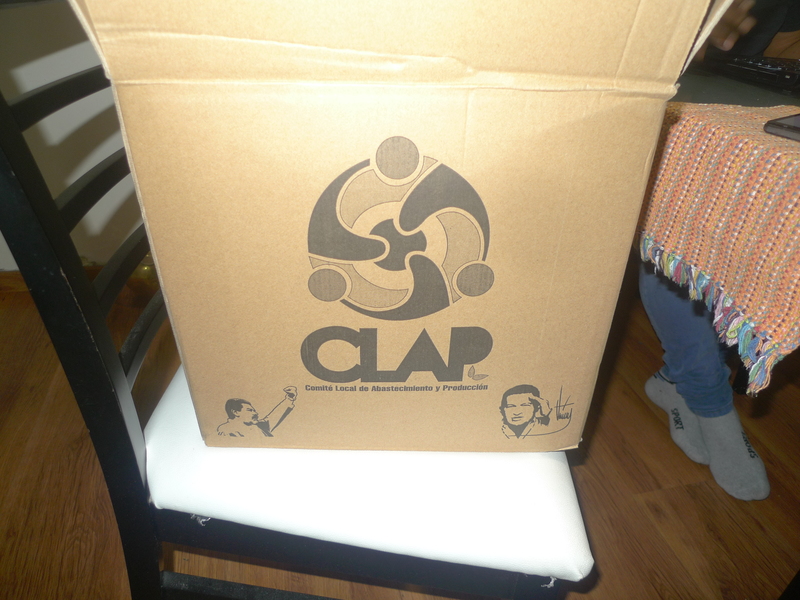
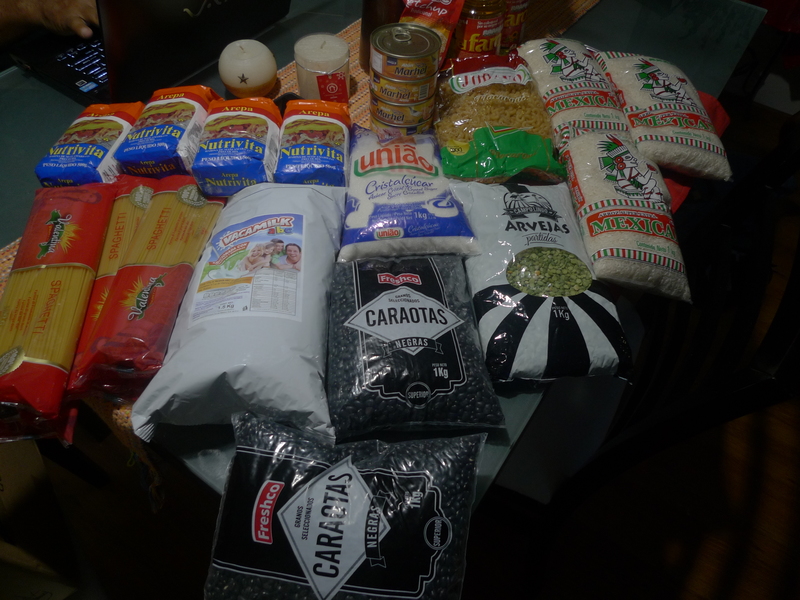
While I paused to eat cassava bread along Avenida Bolivar after Maduro’s rally, two passersby stopped to ask if they could have some food. An acquaintance has lost over 20 pounds. Though the US government and allies have been trying to starve the Venezuelan people into submission, it won’t happen. The Venezuelan government is working through the CLAP program of direct food delivery to households and other projects to assess and meet the nutritional needs of the people while seeking alternative sources for food and medicines, such as Turkey and India, and attempting to increase domestic production. After imposing sanctions that deny the people needed food and drugs, the imperialist countries offer Venezuela “humanitarian aid”, a perverse exercise in psychological warfare. President Maduro has promised a bold post election offensive to rebuild the economy, counter the economic war and improve the lives of Venezuelans. A new money supply, the Bolivar Soberano, will go into circulation on June 4th, eliminating three zeros from bills and prices and putting some cash into circulation. A bunch of bananas now costs about 136,000 Bolivars.
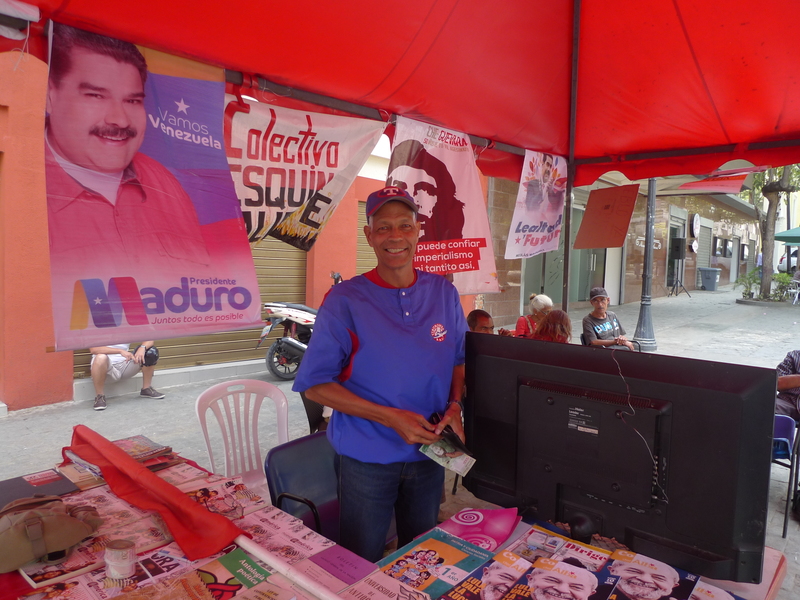
Maduro has shown himself to be a leader who can take decisive and innovative steps to confront crisis when initiating the National Constituent Assembly elections which effectively squelched last year’s murderous right wing street actions (“Guarimbas”), developing the CLAP food program , creating the PETRO crypto currency and launching the Carnet de la Patria, a multipurpose social services card now held by 16 million Venezuelans (population 32 million). Though in the middle of economic crisis, the government has maintained extremely high rates of social spending, developed new programs for youth training and employment, provided support for pregnant, postpartum and lactating women, launched an extensive vaccination campaign, expanded pensions to cover 100% of senior citizens and initiated other projects. Mision Vivienda having delivered its two millionth home, Maduro recently announced an expansion of the program from the original 3 million target to a new goal of 5 million homes for Venezuelan families.
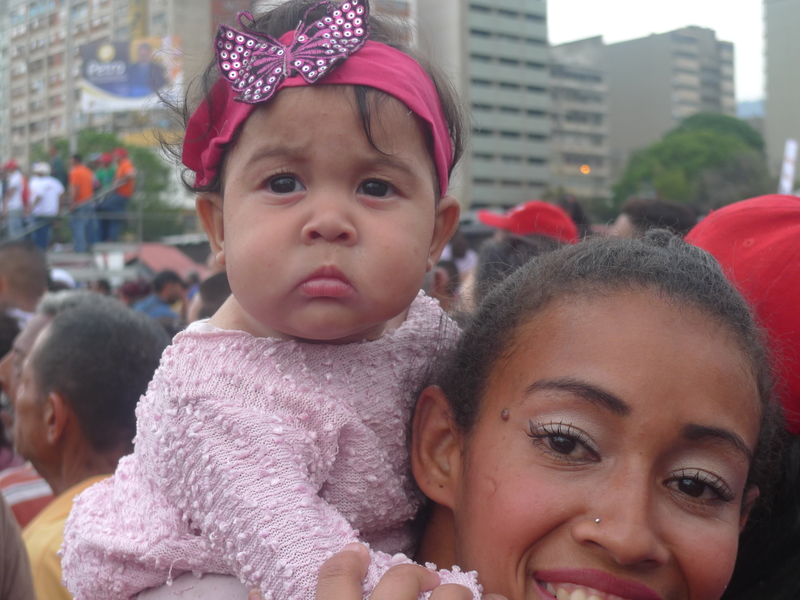
The President is asking the people to “win the peace with votes”. The Chavista hope is that with a good turnout and a substantial margin of victory, claims from the United States and others that Venezuela is undemocratic and Maduro a dictator will lose credibility and make certain forms of aggression less politically tenable while minimizing the chance of renewed right wing violence. Though the government knows that the US and many other governments will refuse to recognize the election results if Maduro wins, they believe most countries will respect Venezuela’s electoral process and sovereignty. Canciller Arreaza said that the only really important opinion is that of the people, who will decide freely between capitalism and socialism while using the most reliable voting system in the world. Internationalist electoral acompañantes also heard constitutional expert Hermann Escarrá describe the legitimacy of the National Constituent Assembly and the process that will culminate in an improved constitution that will be put to a public ratification vote.
There are three opposition candidates in the race. One minor candidate, Reinaldo Quijada, is barely visible in the race. The most prominent opposition candidate is former Lara state governor , Henri Falcon. Falcon has based his campaign on replacing the Bolivar with the US dollar, tying the economy to IMF loans, accepting “humanitarian aid” from the US, Canada and Europe and has said he would appoint two-time presidential candidate Henrique Capriles as interior minister. Capriles refused to respect the results of his defeat by Maduro in 2013 and called the right wing into the streets, inciting riot, destruction and death. Falcon has not said he will accept the election results. Though at one point he was part of the MUD opposition coalition of parties, the MUD expelled Falcon for participating in the elections and in the last few days has reiterated its position of calling for supporters to abstain from voting.
The other opposition candidate who polls significant numbers is evangelical pastor Javier Bertucci who has expressed confidence in the electoral process and has said he will recognize the results. Bertucci held talks with Falcon about merging campaigns but wanted Falcon, who polls higher, to support his campaign rather than throwing his support to Falcon. This effectively splits the opposition vote making a Maduro victory more likely. Maduro is backed by the Frente Amplio de la Patria, a coalition of parties led by Chavez’ PSUV and including the Communist Party of Venezuela and others. Some Chavistas, even with positive poll results and expecting to win, express some nervousness about the results. One friend puts his hand under his shirt to exaggerate a thumping heart. Remembering that Maduro underperformed compared to the polls in his narrow victory over Capriles in 2013, the overwhelming loss during the 2015 National Assembly elections and concern over voter motivation during such difficult times as these, it is easy to have doubts. The stakes are extremely high for Venezuela, Latin America, the Caribbean and the world. Venezuela is “at the point of the sword” of imperialism in the struggle for the future of Earth’s peoples. Chavez vive!