Tortilla con Sal, August 21st 2018
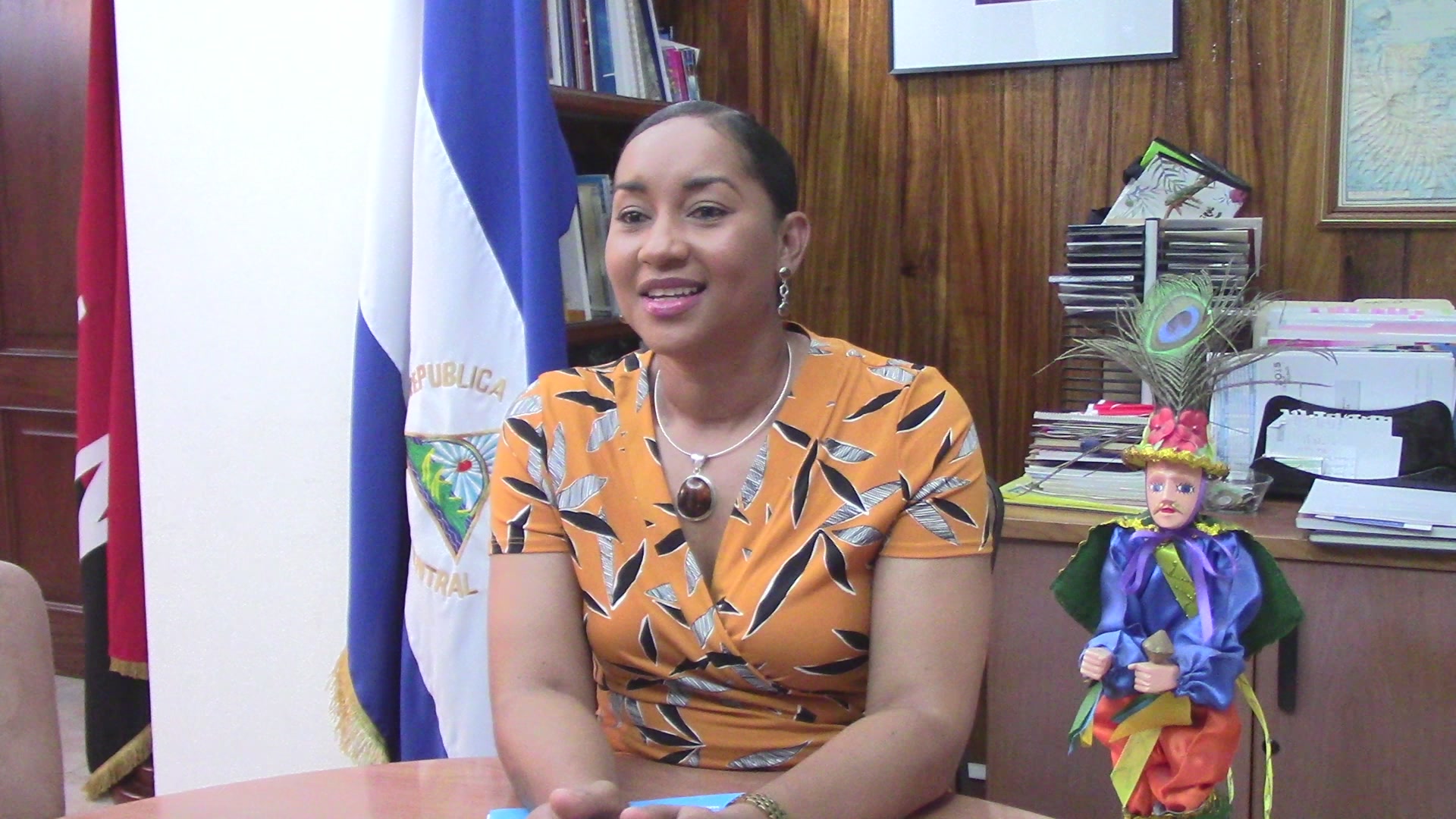
Interview with Anasha Campbell, Co-Director on Nicaragua's Tourist Board INTUR
“The benefits from tourism go directly to the Nicaraguan people and that is important for us. So when you come to Nicaragua, you are also contributing with the Nicaraguan people, to help them develop their families, their communities and their country as a whole”
Tortilla con Sal : How is activity in Nicaragua's tourist sector at the moment?
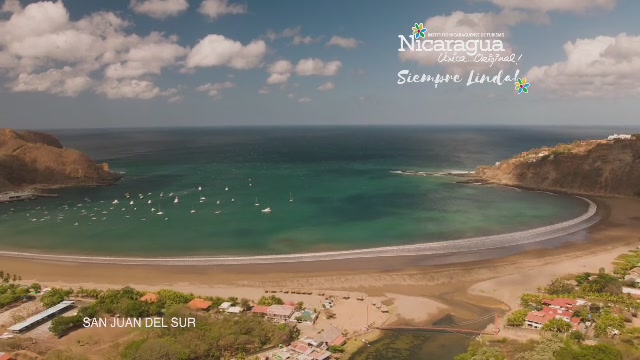
Anasha Campbell : The tourism industry is normal, is as usual, developing, we see a progressive reactivation of the sector. We see hotels, restaurants, bars, discos and tourist destinations receiving visitors, national and international visitors. We see this last week a place like Barceló, Montelimar having its places full, all 295 rooms that they have. But also we see destinations like San Juan del Sur, Tola, where you see surfers reaching these destinations.
Last week we had the arrival of a cruise ship also in San Juan del Sur. We see cultural events in León, in all the different territories of our country. We see the influx of tourists, national tourists but also international tourists and what we believe is that this sector is going to regain the development that it has had over the last ten years, in which last year we have been positioned as one of the fastest growing tourist destinations in the world, number 8 of the 10 fastest growing tourist destinations rated by the World Tourist Organization.
So we are very confident. We are positive and we are passionate about this sector, about the development of tourism in Nicaragua and furthermore for us, tourism, more than the numbers in terms of tourists arriving, in terms of income, for us tourism is a strategy for the human development of Nicaragua's people. And because of that you see the private sector, especially the small and medium sized businesses who are open, they are working, they are willing, they have their hands and their hearts open to receive with all their warmth and hospitality all tourists, both national and international in this land of lakes and volcanoes.
TcS : What is INTUR's principal focus at the moment for developing tourism in Nicaragua?
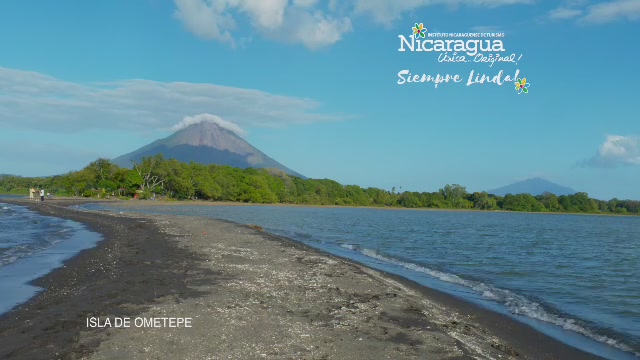
Anasha Campbell: Our main focus right now is strengthening our promotional strategy to regain that influx of international arrivals to the country, but also getting out the information that our tourism infrastructure, our cultural and also our natural patrimony are intact. And we are working with this new campaign "Nicaragua is as beautiful as ever" in which we are focusing on the natural beauty of our country with more than 72 protected areas, about 20% of our territory being a protected area, but also our national reserves, with 7% of the world's biodiversity, the different volcanoes that this country has to offer.
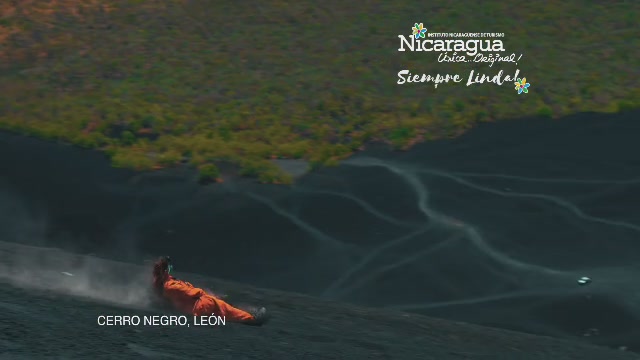
But Nicaragua I believe has this uniqueness of you doing different activities in a small territory in a short period of time. You can go from the Pacific Coast in which you can do activities such as surfing, or you can go to a colonial city and enjoy the architecture and nature and the culture and you can also go sand boarding a volcano or visit the Masaya volcano which is one of the few live lava lake volcanoes in the world. And then you can also go to the north and enjoy mountains, enjoy the coffee and enjoy rural sustainable tourism development in that area. Or also you can go to the Caribbean Coast and enjoy a different culture, a different touristic offer in terms of this rich history.
I always say Nicaragua has two faces, the Pacific face which was colonized by the Spanish, and the Caribbean Coast which was a British protectorate up until 1894. So you have this rich identity, this rich culture, this rich history and also the natural resources of this country that gives you the opportunity to move within different destinations and do different activities passing from the sun and beach on the Pacific Coast to a different kind of beach on the Caribbean Coast but also enjoying the uniqueness of Nicaragua's history and Nicaraguan culture, but most of all of the Nicaraguan people who will always make you feel at home. So our campaign and promotional strategy is based on that, based on being Nicaraguan and the authentic and original offer this country has that makes it unique and different from any other part of the world.
Tcs: Do you have a special message for international tourist businesses about Nicaragua now?
Anasha Campbell: The first message is inviting them to visit Nicaragua. I believe this country has a unique offer as a new destination, or a relatively new destination. It has so much to offer and also combines nature with culture. But also that you will get great satisfaction for less investment, comparing it with other parts of the world. Nicaragua now, thank God enjoys tranquility, security, the interaction with Mother Nature that you will never find or experience in other parts of the world and that is the relation of our people with their different cultures, getting to know how we live and what we do, or enjoying the rich cuisine this country has to offer which is so diverse in itself. I think that is the main message we have for foreign tourists, that they come and experience for themselves this unique offer that Nicaragua has for you.
TcS :How important is tourism in terms of the democratization of Nicaragua's economy?
Anasha Campbell: In Nicaragua, tourism is based on SMEs, small and medium enterprises. 80% of the tourist industry is based on these SMEs and the democratization of that investment means it goes directly to the Nicaraguan people. It does not go to big capital that probably exports those gains from this sector. It is based on SMEs which means that the Nicaraguan people, Nicaraguan families are the ones who are offering their services and products in the tourism industry.
That is why I mentioned before that for us tourism is seen as a strategy for the human development of the Nicaraguan people. From 2015 until now tourism has been the main income generating sector for the Nicaraguan economy in general. That means work for the Nicaraguan people but it also means Nicaragua's people have seen the sector as a means to generate their income. both to develop their families and to develop their community itself.
I think that is what also makes us different from our neighbors or from other destinations, the fact that you get that uniqueness, that authentic feeling of the Nicaraguans, because it is the Nicaraguan people who are offering their services, their products in this tourism industry. For us, that is the important thing, the benefits from tourism go directly to the Nicaraguan people and that is important for us. So when you come to Nicaragua, you are also contributing with the Nicaraguan people, to help them develop their families, their communities and their country as a whole.
TcS: How important has tourism been in terms of integrating the Caribbean coast with the rest of the country?
Anasha Campbell : I believe this industry has that quality of integrating all of Nicaragua, from all different economic backgrounds. Tourism in this country started at the end of the '90s which means that most of the Nicaraguan population saw it as something spontaneous, to put their small hotel or their restaurant, because they saw it as a means of economic generation for their family. But furthermore, more than tourist arrivals and income generation and jobs generation, through tourism I believe the main thing in this sector is also the bringing together of cultures and promoting cultural peace around the world. In the case of Nicaragua we see through tourism also how we have been strengthening the ties between the Pacific and the Caribbean Coast . And also I must mention all the different projects that our Government of Reconciliation and National Unity has been doing to include the Caribbean Coast into national development, not only in the tourism area.
We can now travel from Managua to Bluefields because we have the road from Nueva Guinea to Bluefields and we are working also on the highway from El Rama to Pearl Lagoon. That will strengthen not only the touristic offer because tourists will now have other alternatives of how to recreate, how to experience a different part of Nicaraguan history, how to interact with the different cultures that we have on the Caribbean Coast. I am one of those examples. I am from Bluefields and this democratization of tourism brings that together, brings that facility of interaction between Nicaraguans, between Nicaragua's Pacific Coast with Nicaragua's Caribbean Coast.
And also it has been contributing over the last eleven years in terms of poverty alleviation in this country due to tourism because tourism is transversal in all areas. I mean a fisherman on the Caribbean Coast can offer sport fishing as a tourist attraction, or he may offer also a tour to places like Pearl Keys. That in itself is how tourism has been bringing benefits to all different states or stages of society and integrating also in terms of understanding among Nicaragua's people, embracing that multicultural, multi-ethnic part of the Nicaraguan nation in general. So we believe, not only in terms of jobs or income generation, that tourism enhances that understanding between cultures and contributes also to strengthening the culture of peace in all countries. Nicaragua is not the exception and that's why for us this is our main economic activity for the development of our country as a whole.
TcS : Are there any specific activities people may be interested in learning about in the near future?
Anasha Campbell: Well there are a lot of activities and events. In terms of promotion we are focusing not only on national tourists but also international tourists and in that sense we are going to participate in 11 international fairs this year to promote Nicaragua as a tourist destination. In this endeavour is not only Nicaragua's Tourist Board, but also the private sector that will be with us, that will be also on public-private missions to the different destinations of our markets of interest, such as Central America, North America and Europe.
We are beginning in El Salvador, Honduras, Costa Rica but also in the US, in Canada, in Mexico and in Europe mainly in the UK, Germany and in Spain with the private sector. We are working closely with the private sector and with all actors in terms of tourism development in Nicaragua. Also we are promoting the country in airlines, you'll find promotion of Nicaragua and also in tools like "Despegar" or all these outlets that promote tourism to the country in magazines. We are also going to have fan trips and press trips which for us is something quite important.
Tour operators and media from all over the world can come and see at first hand how tourism is developing in this country. And in terms of activities, well, in this month of August the main celebration we have is the 177th anniversary of the emancipation of slavery in Corn Island which is also our main destination in the Caribbean Coast and so with that I'd like to invite you to come to our country to enjoy this authentic original experience, to experience Nicaragua, to enjoy our people, our culture, our natural riches and resources that wait with their hearts and their hands open to welcome you in this land of lakes and volcanoes, the land of Darío and Sandino.