NICARAGUA TRAVEL NEWS APRIL - MAY 2020: CARIBBEAN SPECIAL
For this special edition, in light of the Maypole celebrations on Nicaragua’s Caribbean Coast, we wish to share the joy and effervescence of this beautiful region, its living heritage of the historical and strong cultural bonds with the UK, a place to feel the warm welcome of the myriad cultural and ethnic groups living there in harmony with nature and each other.
Locals celebrating the Maypole (Palo de Mayo) in Bluefields in 2017 (Click for Video)
We will also share information and images of our idyllic Caribbean beaches, turquoise waters and celestial stretches of white sand, delicious gastronomy, delightful music, superb scuba-diving and aquatic activities, and high-end, yet authentic, socially responsible and ecologically sustainable accommodation.
Pearl Cays, Nicaragua Caribbean
The region is more accessible than ever, whilst ensuring over-tourism is avoided in order to protect its natural beauty and ecosystems. The regular 45 minute flights from Managua to Bluefields in the South Caribbean, and 1 hour 15 minutes flights to Bilwi (Puerto Cabezas) in the north, are ready to resume soon, as Nicaragua prepares to reopen its tourism industry in stages when the COVID-19 pandemic recedes (more information within).

Further, surveying is underway for a new deepwater port in Bluefields, which will be a huge boost for tourism in the area, bringing cruises to Nicaragua’s Caribbean for the first time. The project is backed by the Inter-American Development Bank, fully in compliance with indigenous land rights and environmental regulations, whilst creating jobs and wealth in the area.
Beach on Corn Island
We also include a quick roundup of the news from the Nicaraguan tourism industry and the new protocols in the face of COVID-19, as the sector begins re-opening. The Government of Nicaragua is investing heavily in infrastructure and connectivity, working alongside local and international partners, supporting the recovery of the tourism industry and ensuring above all the health and safety of travellers, and we are delighted to share more news on this below.
CARIBBEAN CULTURE, DESTINATIONS AND PRODUCTS:

Culture:
Nicaragua’s Caribbean, a former British Colonial Protectorate, is home to a richly-woven tapestry of ethnicities and cultures, including the English-speaking Creole, Miskito and Garifuna peoples, each with their own wealth of traditions, customs, histories, beliefs, practices and festivals. The area is divided into two autonomous regions, the North Caribbean Coast Region and South Caribbean Coast Region, with full language and land rights, economic, social and political inclusion for the local Afro-Nicaraguan and indigenous peoples.

Click for video
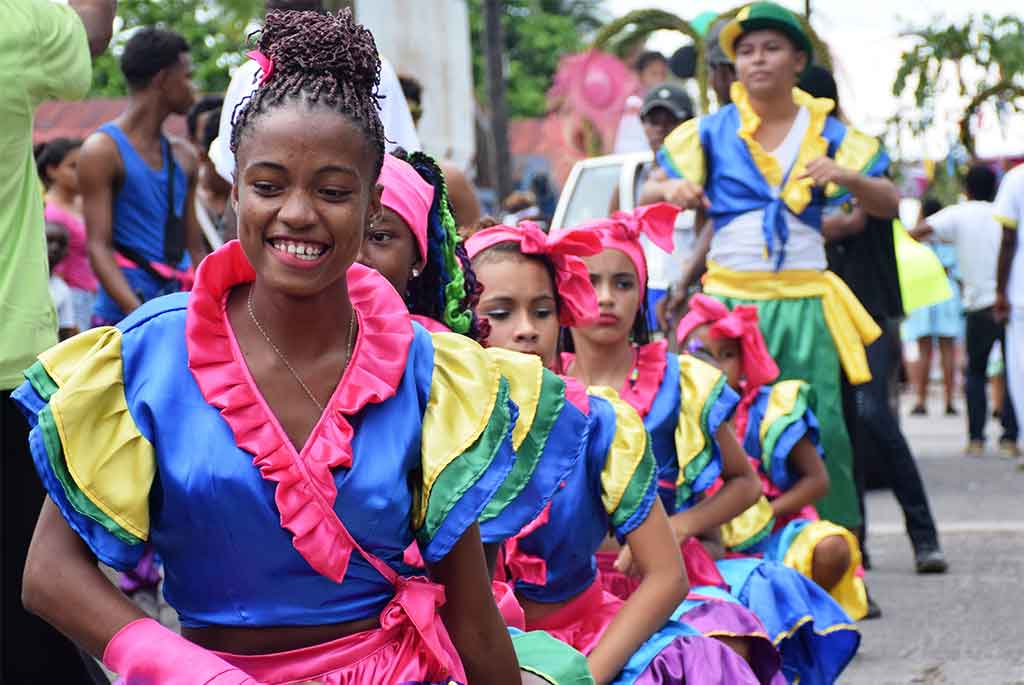
In the South Caribbean region, black Creoles predominate, the descendants of people brought from Africa during the time of British rule. As well as the emblematic Maypole, traditional festivals and dances include the joyous Brother Willy (see video), Tulululu, and many more.

Click for video
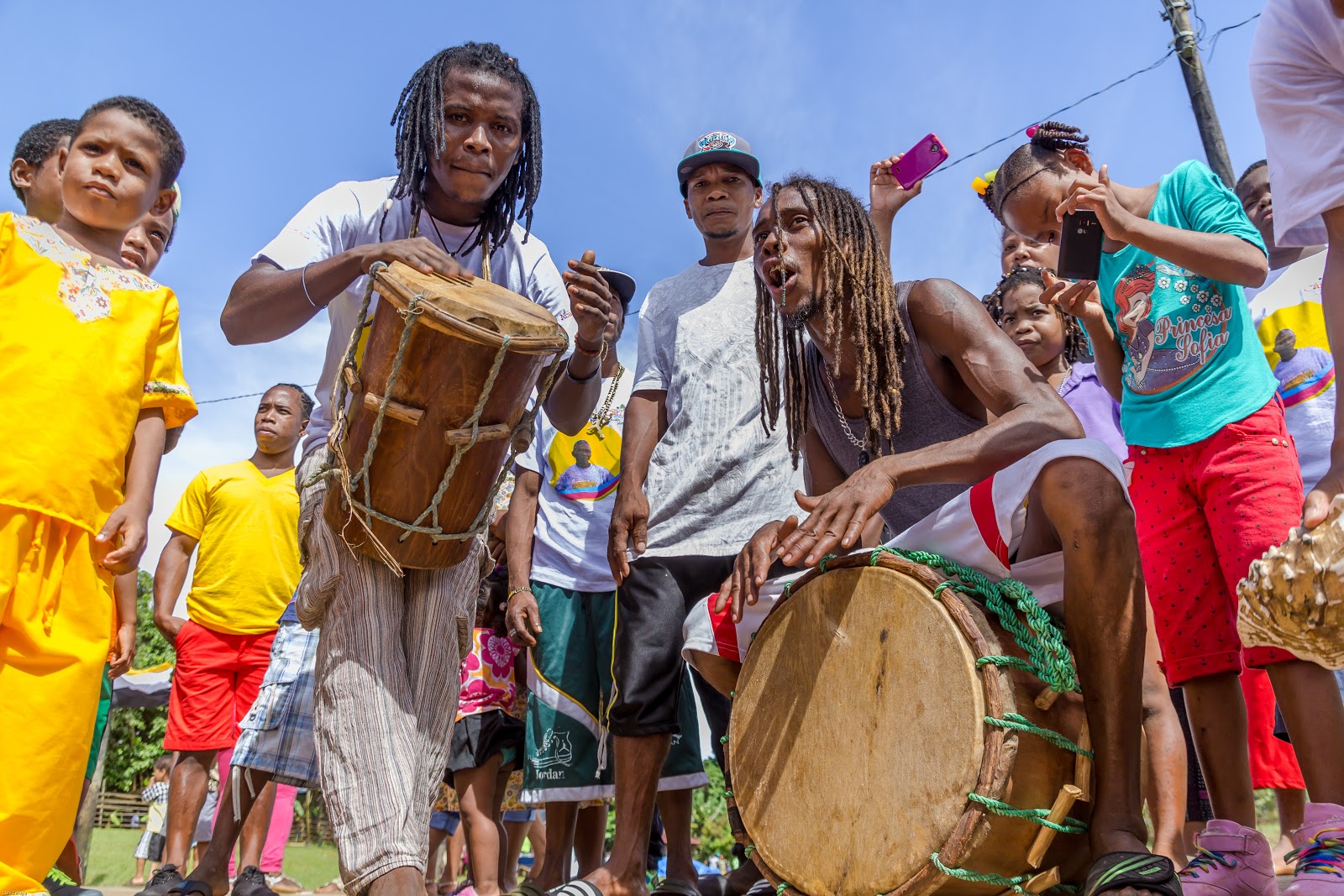
The Garifunas, a less numerous group who live in the north and central coastal regions, are heirs and protectors of a magnificent culture which has been declared an Intangible Cultural Heritage of Humanity by UNESCO. This fact is celebrated on Nicaragua’s officially recognised National Day of Garifuna Culture (see video).
Click for video
The Miskitos are an indigenous group who live in both the north and south Caribbean along the coast which in colonial times bore their name, spanning modern-day Nicaragua and Honduras. This proud people’s best-known festival is the King Pulanka (see video), a sensual dance depicting a mock battle, ending in the crowning of a king and queen. Born in the 19th century as a satire of European rulers, this wondrous and moving occasion unites all the Miskito tribes from across the country. The Sumos, Ramas and Mayagnas also preserve vivid, vibrant, millenarian traditions and ancient cultures, from which we can learn much about leading fulfilling lives without disrupting nature’s balance.
The delectable dishes ubiquitous along Nicaragua’s Caribbean are based around stellar seafood, fresh fish, fruits and coconut, given a special twist by the exuberant and creative locals. Rundown, a sumptuous stew of fish, seafood, tubers and coconut, is a quintessential delight, however, many visitors prefer to savour the daily catch straight from the sea, with a freshness and flavour which defies description. Delicious banana bread and ginger cookies are also local favourites. Whilst ginger beer and Gaubul (banana, milk and coconut) are beloved refreshments.


Activities:
Click for video
Due to its clear, calm seas, exotic aquatic life, abundant coral reefs, historical wrecks and remnants, Nicaragua’s Caribbean is ideal for scuba diving or snorkelling, especially on the Corn Islands. The trade winds, paradisiacal blue skies and gorgeous views also make this an outstanding sailing or kitesurfing destination, while the incredible biodiversity in the biosphere reserves and oceans which surround the coastal strip, allow for great bird-watching, jungle trekking and fishing. This is also one of the few regions in the world where there is massive sea-turtle nesting, with the protected site at Pearl Cays a particular favourite.

Destinations:
On Corn Island, South West Bay, the biggest and most popular beach, is perfect for swimming, thanks to year-round characteristically calm waters, while Long Bay, bordered by wild jungle, is more isolated, offering spacious stretches of sand and dramatic waves. El Naco, an old steel steamer wreck dating back half a century, offers a wealth of fascinating historical value. The welcoming Creole locals, living in brightly painted-houses, are wonderful hosts and the lobster is world-class.

Little Corn Island, a short boat-ride from Big Corn, is a treasured utopia of absolute tranquility, with no cars allowed (it can be crossed on foot in around 45 minutes, or its circumference walked in three hours). Surrounded by a coral reef visible at 3 metres, visitors can recharge batteries at luxurious but authentic ecolodges and spas, whilst delighting in the fruits of the surrounding seas, brought in daily by the local fishermen.

Sleepy yet charming Creole fishing community Pearl Lagoon, nestled amongst palm trees and mangrove forests, is the departure point to visit Pearl Cays, 24 heavenly islets characterised by white sand beaches and turquoise waters. Surrounded by coral reefs, this unspoiled natural territory is a nesting sanctuary for multiple species of sea turtles, the only one in the South Caribbean. For unrivalled indulgence, exclusive Calala Island (pictured) is the most famous of the cays, and its opulent villas can either be rented individually or by a group block-booking.

Greytown, at the mouth of the San Juan River, is home to a captivating history of the colonial struggle to control what was once the main transit point between the Atlantic and Pacific. Among those who passed through are Mark Twain and Lord Admiral Nelson (depicted in a portrait at nearby El Castillo Fort). The ruins of the old town (destroyed in the 1854 bombardment of Greytown) include the atmospheric British, North American, Freemason and Catholic Cemeteries, reflecting the vital strategic position once occupied by this now pleasingly placid village.

The gateway to the South Caribbean is Bluefields, the pulsating heart of Creole culture, renowned for its many festivals and ubiquitous music, bars and eateries, with gastronomy described by Lonely Planet as “the best in the country”. The Waiku Art Centre is also a fine place for culture-vultures to explore local creativity, while the Historical Cultural Museum of the Caribbean Coast contains stories from pre-Columbian times up to the days of British rule and independence.

Multiethnic melting pot Bilwi (Puerto Cabezas) is the cultural, commercial and travel hub of the North Caribbean, where visitors can meet indigenous Miskito, Mayangna and Rama people, as well as the Afro-Nicaraguan Garifunas. The imposing Old Pier provides a constant reminder of this coastal city’s historically strategic role throughout Nicaragua’s history, while the endearingly nostalgic Judith Kain Museum preserves the stories of those who lived here or passed through. The subterranean and secret lagoons are magical.

From Bilwi, travellers can explore the rest of the North Caribbean Region, dominated by the Bosawas Biosphere Reserve (photo courtesy of UNESCO), the largest rainforest after the Amazon, and autonomous indigenous communities, with full control over their ancestral lands. A warm welcome is guaranteed, as the locals are not used to commercial tourism, and receive visitors as friends, with traditional hospitality. There are also numerous hidden gems nestled between the jungle and the ocean such as Haulover, La Bocanita, the Subterranean Lagoon (pictured), Miskito Cays and many more.

In the far-north, Waspam sits on the Río Coco, Central America’s longest river running along the border with Honduras, rich wildlife and flora, that houses the Auka Tangki Museum, which preserves Miskito culture through enchanting artifacts from daily life, and sells the world’s only Misktio-English dictionary.

Explore:
Click for trailer
Highly recommended for cultural immersion before travelling to the Nicaraguan Caribbean are documentaries The Black Creoles (see above), Anthology of Carl Rigby, and Women of the Wangki, which each tell, in beautifully emotive yet stark, realist styles, the struggles for emancipation, freedom and equality, the new rights obtained, the progress made, and the challenges which still exist, of the native peoples of these lands, while showing the beauty of the culture, traditions and landscapes by allowing the people to tell their stories in their words. The works of one-time London resident Carl Rigby, the revolutionary poet, Creole and Sandinista, is exquisite in its inimical beauty, while local reggae and calypso bands, including emblematic Dimensión Costeña, are much cherished.
INDUSTRY NEWS:
Nicaragua has continued investing strongly to work alongside and support the local and the UK travel trade, and encourage travellers to begin planning and researching to visit our country as soon as the global situation allows. Minister of Tourism Anasha Campbell is regularly addressing international virtual meetings, including a LATA Members’ Seminar, a UNWTO Ministers Summit, and numerous bilateral and regional meetings to take full advantage of synergies with other destinations and organisations.
Within this framework, the government has announced its plans for the reactivation of the country’s travel sector - which was was growing at a rate of 25% annually in January and February before the global COVID-19 pandemic - in stages and with proactive and effective Biosecurity protocols and social distancing measures, starting with domestic, followed by regional and then long-haul tourism; at the beginning promoting land travel and outdoor activities. This will gradually restore the strength and confidence of the sector, showing travellers that it is safe to visit Nicaragua.


The Embassy also participated in a number of events and meetings with the UK trade - both in support of Minister Anasha Campbell and in direct representation of the Government of Nicaragua and INTUR - including the LATA Tourism Board Summit, to discuss joint international efforts between governments and the private sector to ensure the responsible, sustainable and timely recovery of the travel industry.


The Nicaraguan Institute of Tourism (INTUR) has also continued its campaign with Wanderlust, including a series of promoted articles, an online hub (see above), regular social media posts and mailshots. There will also be an Online Travel training (OTT) course for agents, facilitated by LATA. This shows ongoing commitment to, and faith in, the UK market, and resolve to stand by our friends and partners.

The Central American Tourism Promotion Agency launched its new campaign, with the support of Nicaragua, identifying the UK as a core market, and rebranding the organisation to tell the story of the region’s unique cultural and natural beauty.
A virtual exhibition & tour of the Nicaragua House Cultural Centre is now live on the Zari Gallery website (click picture to access). It’ll be regularly updated with upcoming events and exhibitions. We look forward to welcoming visitors again soon!

Investments and preparations ongoing to ensure Nicaragua’s infrastructure is ready to welcome visitors.

Puerto Salvador Allende, Managua’s famous dining and entertainment district, an urban renewal project built out of a derelict area by the Sandinista Government 12 years ago, will see continued improvements and its capacity expanded, while road infrastructure is being extended and renewed across the country.
A number of international airlines have also confirmed they will restart flights to Managua by September this year, whilst in addition to the studies underway at Bluefields, Corinto cruise port is being renovated.
For operators, agents or media seeking to learn about or explain Nicaragua’s strategy in response to the pandemic, we recommend the White Book (published on the 25th May).
NICARAGUA IN THE NEWS:
Links:
TTG: https://www.ttgmedia.com/features/sponsored-features/discover-latin-americas-bucket-list-destinations-22955
LATA Newsletter: https://www.lata.travel/news/lata-members-newsletter-may-2020/#sthash.01muXMNB.dpbs
Saraya Cortaville: https://sarayacortaville.co.uk/category/travel-photography/